Ancient Christian Community’s Hopeful Wait for New Pope
Ancient Christian Community’s Hopeful Wait for New Pope
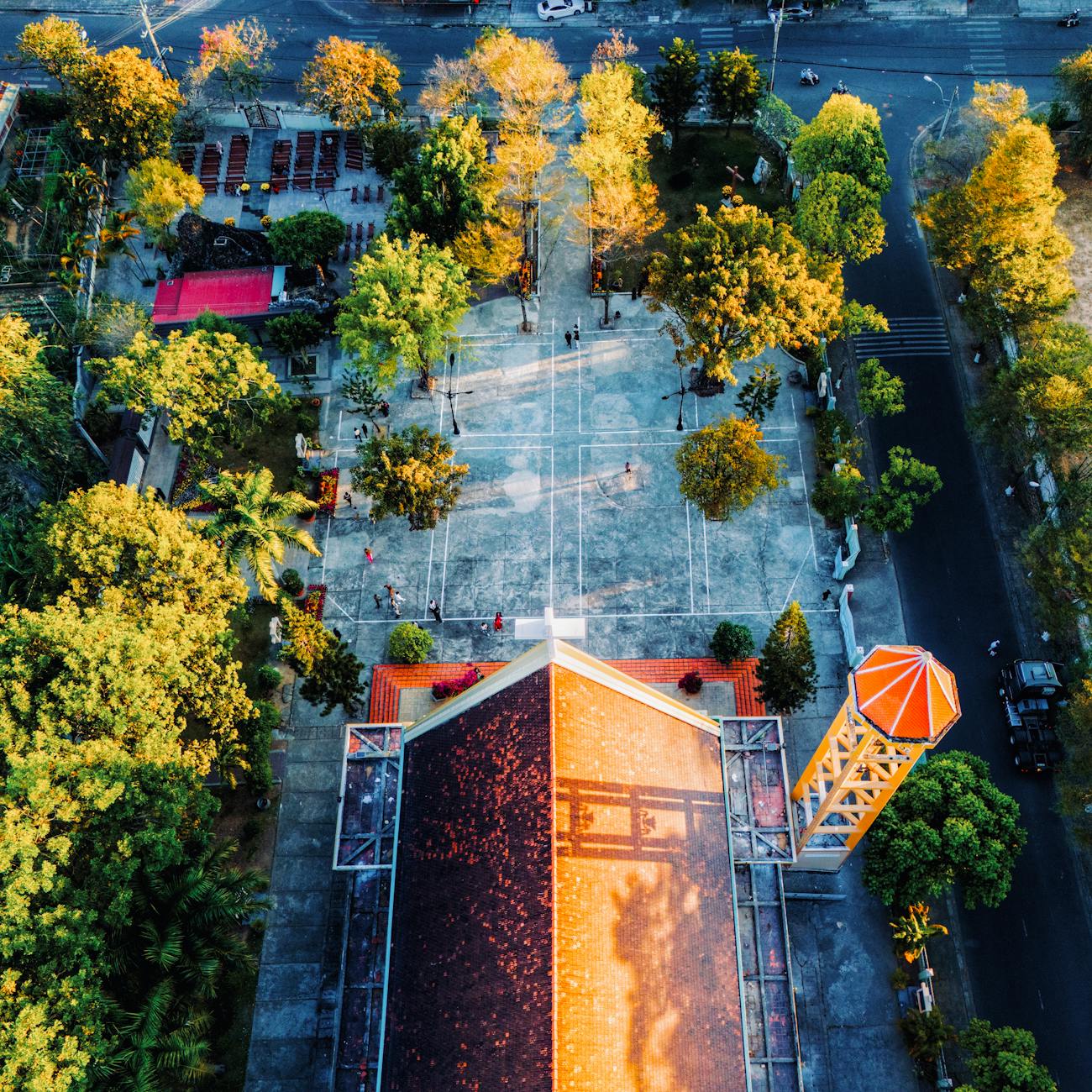
Ancient Christian community traditions hold a unique and profound place within the tapestry of the global Church. For these venerable groups, often tracing their lineage to the apostolic era in the Middle East, Africa, and Asia, the election of a new Pope is not merely a global news event but a moment of deep spiritual and existential significance. As the world watches the Vatican, these ancient churches—such as the Coptic Orthodox, the Syriac Orthodox, the Armenian Apostolic, and others—enter a period of hopeful anticipation, viewing the transition through the dual lens of their own rich heritage and their evolving relationship with the modern papacy.
A Legacy of Endurance and Faith
To understand their perspective, one must first appreciate their history. Many of these ancient Christian community bodies were established in the first centuries after Christ, long before the major schisms that divided Eastern and Western Christianity. They have endured centuries of isolation, persecution, and often marginalization, preserving ancient liturgies, languages like Coptic and Syriac, and theological traditions. Their identity is deeply rooted in this continuity. Consequently, their relationship with the Bishop of Rome has been complex, marked by periods of doctrinal disagreement and separation, but also, especially in recent decades, by growing ecumenical dialogue and fraternal warmth.
The Significance of the Papacy in Modern Ecumenism
For these communities, the modern papacy represents two key things: a symbolic figure of global Christian unity and a crucial partner in inter-church dialogue. The groundbreaking gestures of recent pontiffs—from Pope Paul VI’s embrace with Coptic Pope Shenouda III to Pope Francis’s visits to Egypt and Iraq—have sown seeds of profound goodwill. Therefore, the hopeful wait for a new Pope is intrinsically tied to a desire for this momentum to continue. Leaders and laity alike wonder: Will the next Pope deepen the theological dialogues on ancient Christological disputes? Will he expand practical cooperation in regions where all Christians face shared challenges? The hope is for a pontiff who recognizes them not as distant “others,” but as beloved elder brothers in the faith, with a shared martyrological heritage.
Navigating Shared Challenges in the East
This hope is intensely practical. In the Levant, the Nile Valley, and the Armenian highlands, existential threats like emigration, political instability, and sectarian conflict loom large. Here, the ancient Christian community looks toward Rome not for solutions, but for a powerful ally and a global voice. They await a Pope who understands their geopolitical realities intimately and who can advocate for their right to thrive in their ancestral homelands. The hope is that the new pontiff will continue to use the Vatican’s diplomatic stature to highlight their plight and foster peace, ensuring these living branches of the early Church are not relegated to history books.
A Spiritual Kinship in the Wait
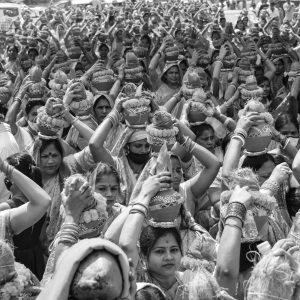
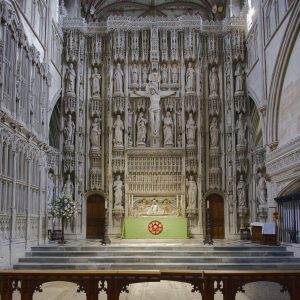
Beyond politics and theology, there is a profound spiritual kinship in this period of sede vacante. The rituals may differ—the majestic Latin processions in St. Peter’s Square versus the incense-filled, chant-based liturgies in a Cairo or Beirut cathedral—but the core act is the same: fervent prayer for the guidance of the Holy Spirit. This shared, prayerful anticipation itself becomes an act of invisible unity. As cardinals gather in conclave, monks in desert monasteries and families in ancient villages lift their prayers, embodying a collective hope that transcends centuries of division.
The Hope for a Bridge-Builder
Ultimately, the hopeful wait for a new Pope within these ancient communities centers on the desire for a bridge-builder. They await a successor of Peter who sees the Petrine ministry as one of service to all of Christ’s flock, especially its most ancient and beleaguered parts. The ideal figure would be one who honors their autonomy and theological distinctness while passionately embracing them in a fraternal bond, working to heal the wounds of the first millennium.
For these churches that have kept the faith through empires, conquests, and upheavals, patience and hope are woven into their very identity. Their current vigil is thus a powerful testament to their resilience and their unwavering belief in Christian unity. As they watch the white smoke rise, they do so with the quiet, enduring hope that the new man on the loggia will be one who walks with them, strengthening the bonds of peace and mutual love, ensuring that their ancient voices continue to be heard and cherished in the modern Christian story.







Post Comment